If you run a self-hosted WordPress.org website, you do not have to sit in front of a computer every time you want to publish a post, edit content, upload an image, moderate comments, or make routine site changes. You can manage many day-to-day WordPress tasks from an Android phone or iPhone using the official mobile apps.
This guide updates our original self-hosted WordPress mobile-app tutorial with the current workflow and terminology. If you are starting a new blog, see our step-by-step guide to starting a blog before setting up mobile management.
- Can You Manage a Self-Hosted WordPress Site From a Phone?
- What You Can Do From the Mobile App
- What You Need Before Connecting a Self-Hosted Site
- Step 1: Install Jetpack on Your Self-Hosted WordPress Site
- Step 2: Connect the Site to WordPress.com
- Step 3: Install the Jetpack Mobile App
- Step 4: Add and Manage Your Self-Hosted Site
- Using the Mobile Editor for Posts and Pages
- Managing Multiple Self-Hosted WordPress Sites
- Can You See Stats and Analytics?
- What to Do When the App Cannot Connect
- Mobile App vs WordPress Dashboard: Which Should You Use?
- Security Considerations
- FAQ: Managing Self-Hosted WordPress From Mobile
- Can I manage a self-hosted WordPress site from Android or iPhone?
- Do I need to move my website to WordPress.com?
- Do I need Jetpack for every mobile WordPress feature?
- Can I manage multiple WordPress websites from one phone?
- Why does the app say it cannot connect to my site?
- Can the mobile app completely replace wp-admin?
- Conclusion
Can You Manage a Self-Hosted WordPress Site From a Phone?
Yes. A self-hosted WordPress site can be managed from a mobile device, but the exact experience depends on how the site is connected and which app features you use.
For a self-hosted WordPress site, the current mobile workflow commonly involves the Jetpack mobile app and a WordPress.com account. The Jetpack app is available for Android and iOS and can manage core site content such as posts, pages, media, comments and other supported settings. Self-hosted sites can be added to the app rather than being treated as WordPress.com-hosted sites.
Do not confuse WordPress.com hosting with self-hosted WordPress.org software. Your website can remain hosted on your own hosting provider while using WordPress.com services for the mobile connection and other Jetpack features.
What You Can Do From the Mobile App
- Create and publish posts.
- Edit existing posts and pages.
- Upload and manage supported media.
- Work with WordPress blocks in the mobile editor.
- Manage comments and other supported content tasks.
- Switch between multiple connected sites.
- Use supported Jetpack features such as stats when the site is connected and the relevant feature is enabled.
- Make routine content changes without opening a desktop browser.
The mobile app should not be treated as a complete replacement for wp-admin. Theme development, complex plugin configuration, advanced SEO configuration, server settings, database work, file management, and some advanced block/plugin workflows are still much easier or only possible from the full WordPress dashboard or hosting control panel.
What You Need Before Connecting a Self-Hosted Site
- A publicly accessible self-hosted WordPress website.
- A current WordPress installation and a host that meets WordPress requirements.
- HTTPS enabled on the website.
- A WordPress.com account for the Jetpack connection.
- The required Jetpack connection/app setup for the features you want to use.
- A working WordPress administrator or appropriate user account.
- A mobile device running a currently supported Android or iOS version.
The mobile connection can also depend on services such as XML-RPC being publicly reachable. Security plugins, firewalls, maintenance mode, password protection, or other server rules can interfere with the connection, so a site that works normally in a browser may still fail to connect to the app.
Step 1: Install Jetpack on Your Self-Hosted WordPress Site
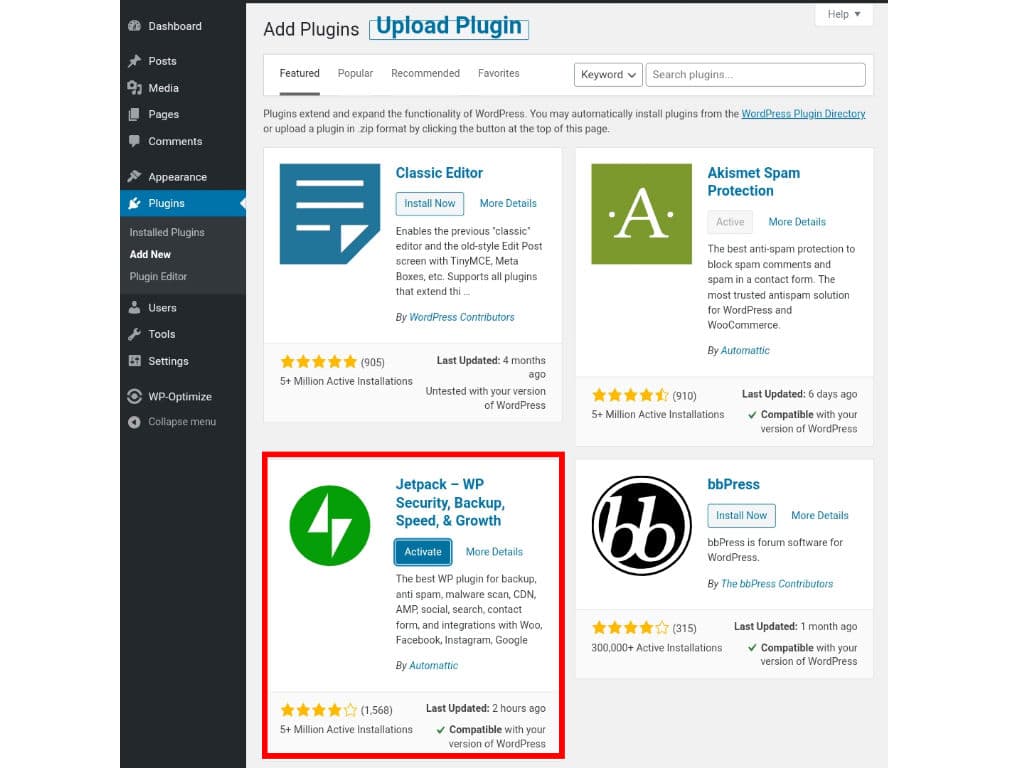
For the Jetpack-based self-hosted workflow, first sign in to your WordPress dashboard and go to Plugins → Add New. Search for the official Jetpack plugin, install it, and activate it.
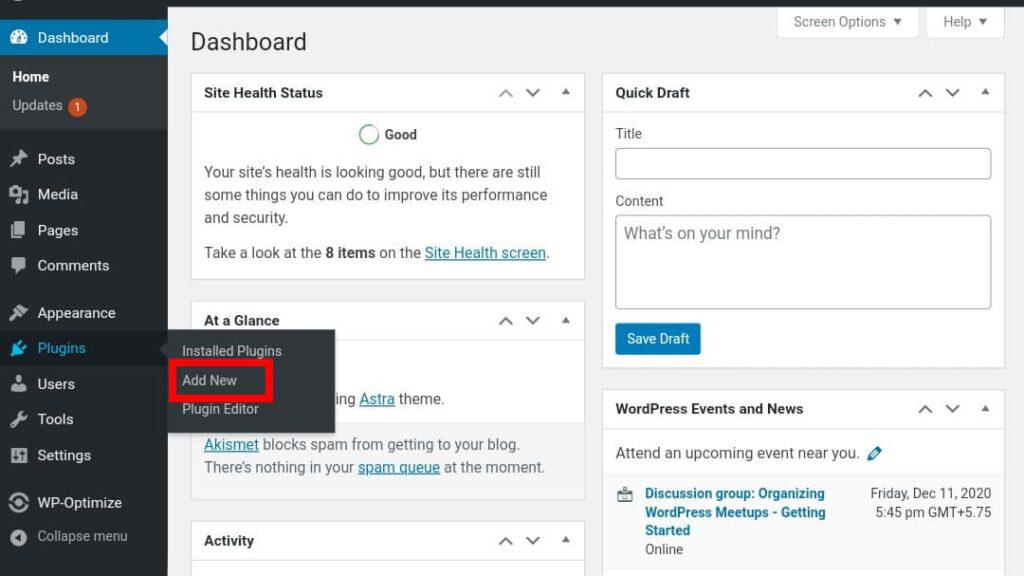
Search for Jetpack and verify that you are installing the official plugin. Plugin screens and branding can change over time, so do not rely on an old screenshot alone when identifying the current interface.
Step 2: Connect the Site to WordPress.com
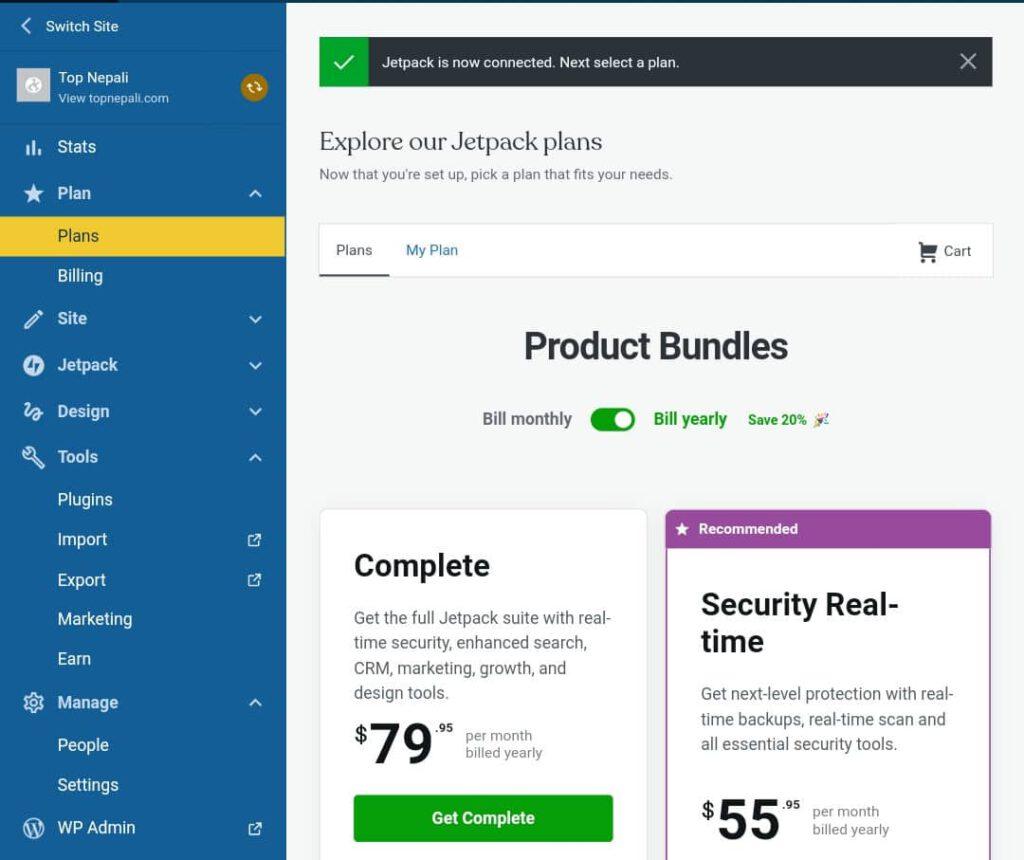
After activating Jetpack, follow its setup flow to connect the self-hosted site to a WordPress.com account. This does not move your hosting to WordPress.com. Your WordPress files, database and hosting remain where you host them; the connection provides the services and authentication needed for supported Jetpack and mobile features.
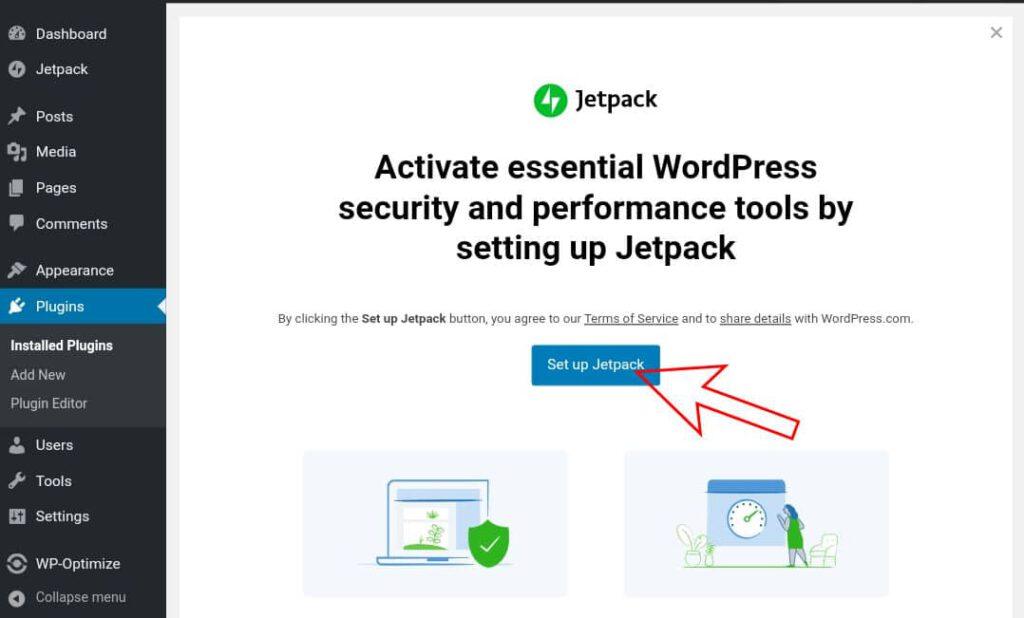
If you already have a WordPress.com account, sign in and authorize the connection. If you do not have one, create an account and complete the connection process. Keep the WordPress.com account credentials separate from the login credentials you use directly for your self-hosted WordPress dashboard.
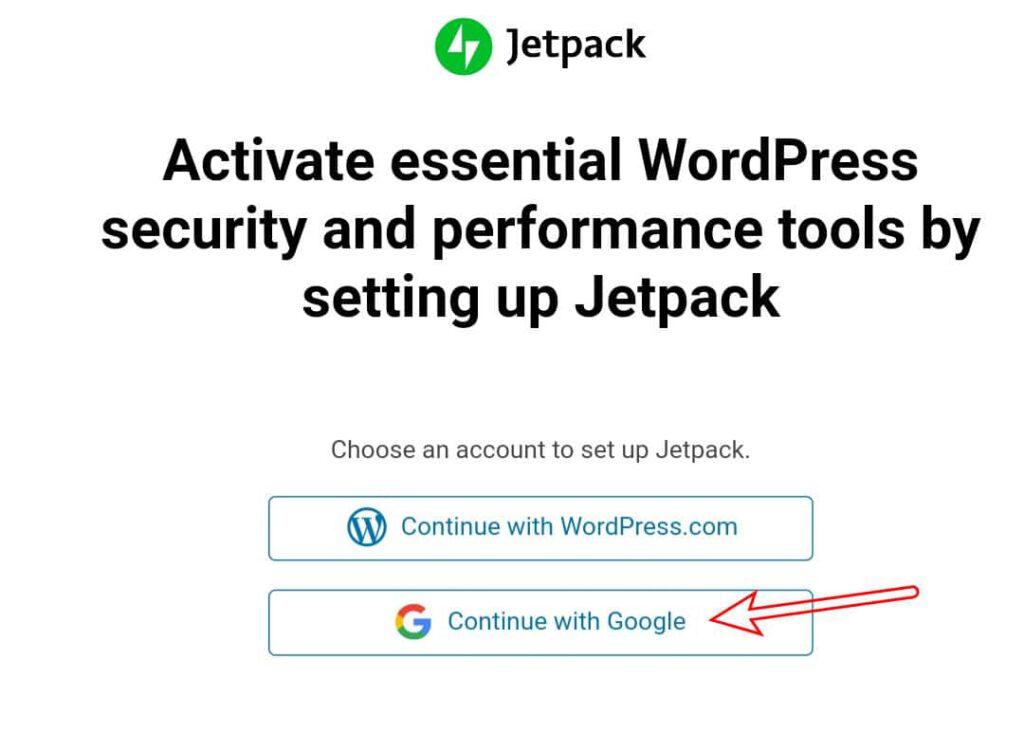
Jetpack offers both free and paid services. You do not need to purchase a paid plan simply because you want to connect a self-hosted site. The features available to you depend on the current Jetpack service and plan.
Step 3: Install the Jetpack Mobile App
For the current mobile workflow, install the official Jetpack mobile app on Android or iOS. The app is maintained separately from the WordPress.com web hosting service and is designed to manage WordPress sites from mobile devices.
When adding a self-hosted site, use the option to enter your existing site address or add a self-hosted site. Enter the website address and use the appropriate WordPress account credentials when the app asks for them. If your site is already connected through Jetpack, you can also continue through the connected WordPress.com account and select the site.
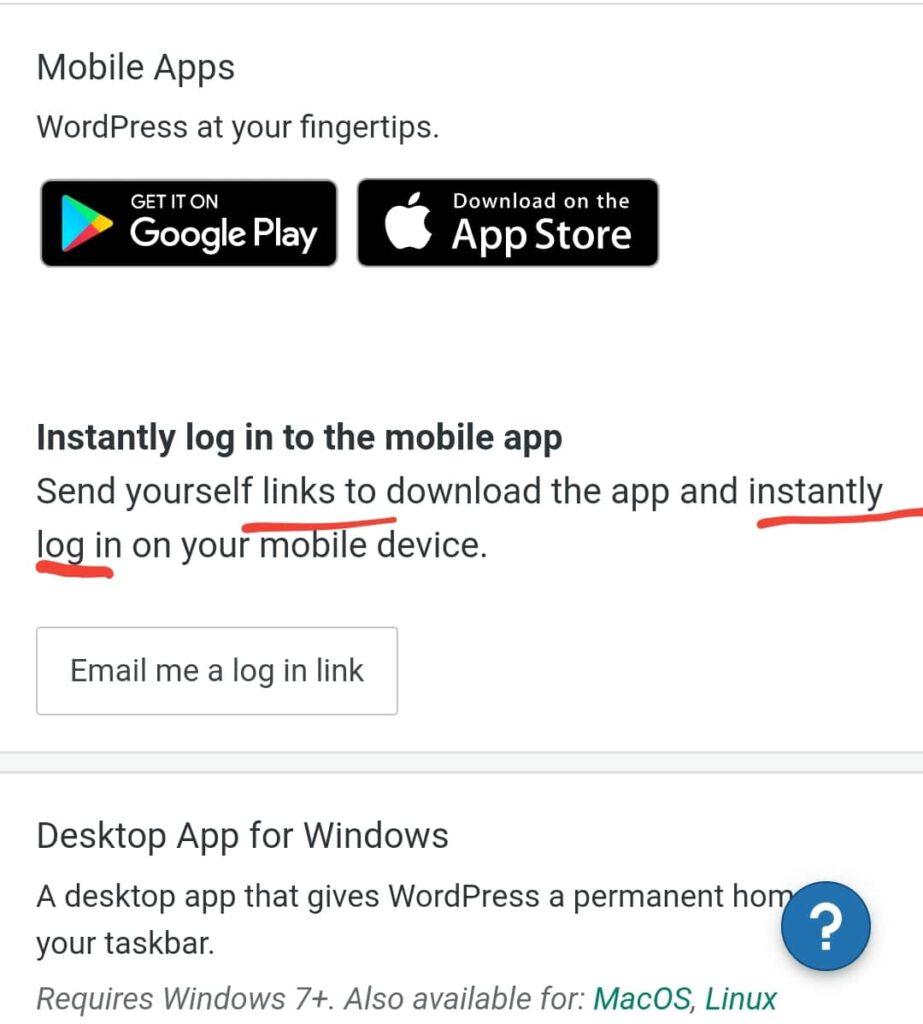
The original tutorial also showed a phone-number link to the app store. That flow is no longer something you should depend on because mobile onboarding screens change. The safer approach is to install the current official app directly from the Google Play Store or Apple App Store and then add your existing self-hosted site.
Step 4: Add and Manage Your Self-Hosted Site
Once the app is installed, sign in and add your existing self-hosted site. If the site is already connected to your WordPress.com account through Jetpack, it should be available through the account’s connected sites. Otherwise, use the option for an existing/self-hosted site and provide the requested site and login details.
After the connection succeeds, you can use the mobile app for supported publishing and site-management tasks. If you manage more than one website, connected sites can be switched from within the app rather than requiring a separate application for every site.
Using the Mobile Editor for Posts and Pages
The mobile editor is particularly useful for content work. You can create a post, edit an existing post, add text and supported blocks, upload media, save drafts and publish changes. The exact editor interface and available blocks can change as the mobile application evolves.
For simple content updates, mobile editing can be much faster than opening a desktop browser. For complicated layouts, custom blocks, theme-level changes or plugin-specific configuration, switch back to the full WordPress editor in a browser.
Managing Multiple Self-Hosted WordPress Sites
If you operate multiple self-hosted WordPress websites, the mobile workflow can be useful because supported connected sites can be managed from the same app/account. Each site still remains an independent WordPress installation with its own hosting, database, users, plugins and configuration.
Can You See Stats and Analytics?
Stats and other Jetpack services are separate from the basic WordPress editing experience. If you want Jetpack-powered statistics in the mobile app, the site needs the relevant Jetpack connection and feature enabled. Do not assume that every self-hosted WordPress installation automatically has the same analytics features as a WordPress.com site.
What to Do When the App Cannot Connect
Connection failures do not necessarily mean your WordPress login is wrong. A self-hosted site can be blocked from the mobile service by plugins, firewalls or server configuration.
- Confirm that the website is publicly accessible over HTTPS.
- Make sure the site is not behind a maintenance/Coming Soon page that blocks the app.
- Check that the WordPress installation and Jetpack are up to date.
- Check whether a security plugin or firewall is blocking XML-RPC.
- Temporarily test for plugin conflicts if the official troubleshooting process recommends it.
- Check your hosting or CDN rules if XML-RPC requests are being blocked.
- Do not disable security controls permanently just to make the mobile app work; understand the specific rule that is blocking the connection first.
XML-RPC is an important part of the connection for the mobile/Jetpack workflow. Security plugins that disable or heavily restrict XML-RPC can therefore prevent the app from communicating with a self-hosted site. WordPress.com’s current troubleshooting guidance specifically identifies plugin conflicts and inaccessible XML-RPC as common causes of connection problems.
Mobile App vs WordPress Dashboard: Which Should You Use?
- Use the mobile app: publishing, editing posts/pages, uploading media, comments and routine content work while away from a computer.
- Use wp-admin in a browser: advanced plugin settings, theme configuration, complex block editing, user administration, detailed SEO configuration and tasks that require the full desktop interface.
- Use your hosting panel/server tools: DNS, files, databases, PHP configuration, server logs, SSL and other infrastructure-level work.
Security Considerations
Because the mobile app can provide access to your site’s content, treat the phone and the associated accounts as part of your site’s security boundary. Use a strong account password, enable two-factor authentication where supported, keep the phone and apps updated, and avoid storing WordPress credentials in insecure places.
Do not weaken firewall, XML-RPC or authentication protections blindly to solve a connection problem. If a security plugin is interfering with the app, identify the exact rule or authentication requirement and use the supported configuration for your environment.
FAQ: Managing Self-Hosted WordPress From Mobile
Can I manage a self-hosted WordPress site from Android or iPhone?
Yes. Self-hosted WordPress sites can be managed from supported official mobile apps. The available features depend on the current app, your WordPress installation and any connected Jetpack services.
Do I need to move my website to WordPress.com?
No. A self-hosted WordPress site can remain on its existing hosting provider. A WordPress.com account can be used for supported Jetpack and mobile services without moving the site’s hosting.
Do I need Jetpack for every mobile WordPress feature?
Not every core WordPress capability is identical to every Jetpack service. For the current self-hosted Jetpack mobile workflow and Jetpack-powered features, the site may need an active Jetpack connection. Check the current app documentation for the exact feature you want to use.
Can I manage multiple WordPress websites from one phone?
Yes. Supported connected sites can be managed from the same mobile app/account, while each website remains an independent self-hosted WordPress installation.
Why does the app say it cannot connect to my site?
Common causes include plugin conflicts, blocked XML-RPC, firewall or security rules, maintenance mode, an inaccessible site, or an outdated WordPress/Jetpack installation. Check the site’s accessibility and the official mobile troubleshooting guidance before changing security settings.
Can the mobile app completely replace wp-admin?
No. It is excellent for many publishing and routine management tasks, but advanced theme, plugin, server, database and configuration work is still better handled through the full WordPress dashboard or hosting tools.
Conclusion
A self-hosted WordPress website does not mean you have to be tied to a desktop computer. With the current official mobile workflow, you can keep your site on your own hosting while using supported mobile tools for publishing and everyday management.
The important distinction is that the mobile app is a management interface, not a replacement for your hosting environment or the full WordPress administration area. Use mobile for the tasks it handles well, and switch to wp-admin or your hosting tools whenever a task requires deeper access.
Discover more from Grisma
Subscribe to get the latest posts sent to your email.